

Maternity and Paternity Leave in Mozambique
Maternity and paternity leave in Mozambique under Law 13/2023: 90 days, start dates, INSS benefits, 7-day paternity leave, and protections for pregnant workers.

Maternity leave in Mozambique is 90 consecutive days (and can start up to 20 days before the expected delivery date), and paternity leave is 7 days, starting the day after the birth — as established by Labour Law 13/2023 (Arts. 14 and 15), which increased the maternity period from 60 to 90 days and multiplied paternity leave by seven.
Beyond these timelines, the new law introduced life-changing protection for expecting parents: the employment contract of a pregnant or nursing worker cannot be terminated during pregnancy and up to 1 year after the end of maternity leave. This guide explains the timelines, who pays what, how to apply for leave, and what to do when rights are ignored.
The short answer
- Maternity: 90 consecutive days, which may start up to 20 days before the expected date of delivery (art. 14).
- INSS pays the majority: social security covers 60 days or more of the maternity period, depending on the case.
- Paternity: 7 days, starting from the day following the birth (art. 15).
- Extended paternity: 60 days in cases of death or incapacity of the mother, certified by a health authority.
- Job protection: a pregnant or breastfeeding employee cannot have her contract terminated during pregnancy and up to 1 year after the end of the leave (except for contract expiry or lawful dismissal).
- Interval between paternity leaves: paternity leave is not accessible within 1 year and 6 months after the previous one taken.
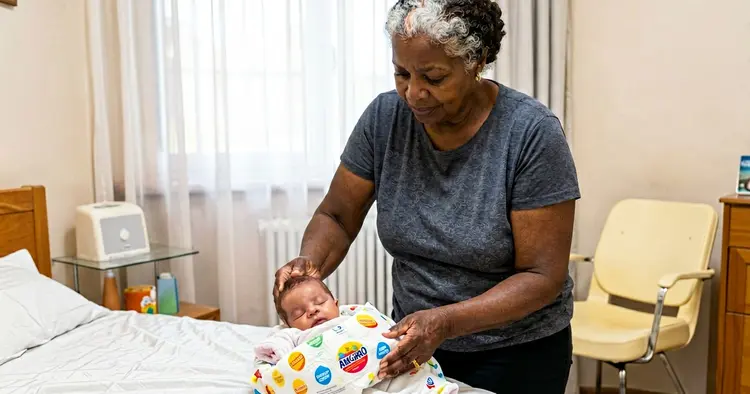
Maternity leave: 90 days with flexible start
Pregnant workers are entitled to 90 consecutive days of maternity leave, with the option to start leave up to 20 days before the due date (art. 14). This flexibility exists for a practical reason: many births happen early, and the mother needs to choose the right time to stop working — earlier if the pregnancy requires it, closer to delivery if everything goes well.
Regarding pay, social security plays a central role: INSS pays 60 days or more of the leave, depending on the case — the INSS and IRPS deductions supporting this protection are explained in the net vs gross salary guide.
In practice, processing requires the employer to report the leave to social security along with supporting documents — ask HR about the required paperwork during the first months of pregnancy so the process is ready when leave begins.
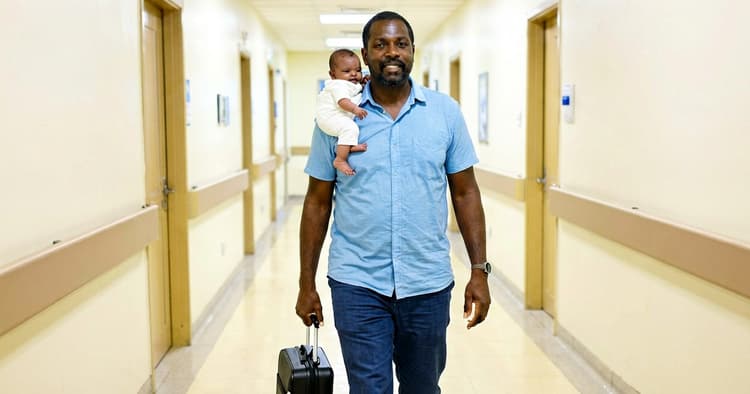
Employment protection: pregnancy is not grounds for dismissal
This is the most impactful change in the new law for female workers: the contract of a pregnant or breastfeeding worker cannot be terminated during pregnancy and up to 1 year after the end of maternity leave, except in cases of contract expiration (natural end of the term) or dismissal in accordance with the law (just cause with due process, or collective redundancy according to the rules).
In practice: a dismissal "because you are pregnant" is illegal; your shifts, salary, or duties cannot be reduced because of pregnancy; and if the company undergoes restructuring during your protected period, your situation follows legal rules — never the convenience of removing the pregnant worker from the list.
Paternity: 7 days (and 60 in dramatic cases)
Working fathers are entitled to 7 days of paternity leave, starting on the day after the birth of the child (art. 15) — a huge leap compared to the previous law, which granted 1 day every two years. The 7 days are meant for being present: the mother and baby's return from the hospital, home organization, and initial care.
Two points that many fathers are unaware of:
- 60 days in cases of death or incapacity of the mother, when certified by a health authority — the father assumes sole responsibility for the baby's initial care.
- 18-month interval: paternity leave is not accessible within 1 year and 6 months of the previous leave taken — avoiding surprises for families with children born close together.
How to request leave (drama-free)
- Notify early and in writing: inform your employer of the pregnancy with reasonable notice (usually after the first trimester), stating the expected due date and desired leave start date.
- Attach supporting documents: medical certificate or doctor's note with the expected due date; at birth, the birth certificate for paternity leave.
- Confirm social security processing: HR must notify social security — check with HR to ensure the filing was completed so benefits run without delay.
- Agree on your return date: the return date is the end of the 90 days (or whatever was agreed at the start); confirm in writing and plan your return smoothly.
- Keep everything: copies of requests, responses, and proof of submission — documentation is your protection.
At work during pregnancy: practical care
- Incompatible tasks: heavy or high-risk work during pregnancy should be reassessed — speak with your employer, supported by a medical certificate when necessary.
- Breastfeeding: during the lactation period, workers have specific legal protection — check with HR regarding the protection periods for nursing mothers applicable to your case.
- Salary during leave: allowances such as meal and transport have their own rules during the period of absence — the guide on salary allowances explains what the law provides.
- Respectful environment: jokes, pressure, or jabs about pregnancy and maternity can constitute harassment — and the new law explicitly penalises it.
How Inademy helps you
A pregnancy shouldn't be the end of a career — and an employer that respects parental leave is a clear sign of quality.
At Inademy, job listings show requirements, location, and salary when available, allowing you to choose companies based on real information; your free profile with a PDF CV keeps you ready to apply even while taking a break, and job alerts via email and WhatsApp keep you connected to the market while you experience the most important phase of your life.
To return with an advantage, the guide on how to get a job updates your market strategy.
Read also
- Workers' rights in Mozambique: practical list
- Employment contracts in Mozambique: types and rules
- Probationary period in Mozambique: timeframes and rules
Where these numbers come from
- Maternity: art. 14 of Law no. 13/2023 (90 consecutive days; start up to 20 days before childbirth); was 60 days under Law 23/2007.
- Paternity: art. 15 of Law 13/2023 (7 days from the day following birth; 60 days in case of death or incapacity of the mother certified by a health authority; 18-month interval between leaves); was 1 day every 2 years under 23/2007.
- Protection of pregnant/nursing mothers (termination prohibited during pregnancy and up to 1 year after leave) — analysis by JLA Advogados (accessed 09/2026).
- INSS and maternity (60 days or more paid by social security) — INSS, per published article from Guia Inademy on deductions and social security.
Duration and payment by scheme
For maternity leave, duration and payment depend on the scheme, length of service, and contract type. In the public sector, leave lasts 98 days; in the private sector, the duration is the same, with payment provided by social security or the employer.
For paternity leave, the law provides a reduced number of days, paid differently. Check the exact scheme before planning, as it varies depending on worker category.
Always keep the birth record and employment declaration as the basis for the application. Without these documents, the process will be delayed.
Frequently asked questions
When should I notify my employer about my pregnancy?
When you feel comfortable and with sufficient advance notice — in practice, after the first trimester is customary, as it gives your employer time to arrange coverage and gives you time to process INSS social security without rush. Written notice is your documentary protection.
Is maternity leave paid in full?
Social security covers 60 days or more of maternity benefit, depending on the case. Confirm with HR and INSS how the remaining days are processed — it varies case by case, and getting the right agreement avoids surprises in the month of delivery.
Can I start leave earlier than 20 days prior?
The 20 days before childbirth are the legal limit for early leave. To stop working earlier for pregnancy-related health reasons, arrange it with your doctor and employer — it may qualify as sick leave, not maternity leave.
Does the father have to submit any documents?
Yes — the child's birth certificate or registration (or hospital birth notification) confirming the date, since leave counts from the day following childbirth. In 60 days cases, attach proof from the health authority.
I am pregnant and my employer wants to dismiss me. What should I do?
Terminating a pregnant employee's contract is prohibited during pregnancy and up to 1 year after leave (except for contract expiry or lawful dismissal). Do not sign anything under pressure, request the decision in writing, document everything, and contact the Labor Inspectorate or seek legal advice immediately.
In short, what to do today
- If you are pregnant: notify your employer in writing with your expected due date and desired leave start date.
- Confirm with HR that notification to INSS has been made — this avoids delays in your benefit.
- If you are an expectant father: schedule the 7 days starting the day after the birth and prepare the registration document.
- Keep copies of all requests and responses regarding leave.
- Know your protection: pregnancy and 1 year post-leave are a protected period against termination.
- Looking for an employer that respects your rights? Create a free profile on Inademy with job alerts by email and WhatsApp, and use the Inademy Guide to track your rights.
Official source: Law No. 13/2023 (Labour Law) is available as a PDF on the website of Mozambique's Supreme Court (Tribunal Supremo): official text (PDF).