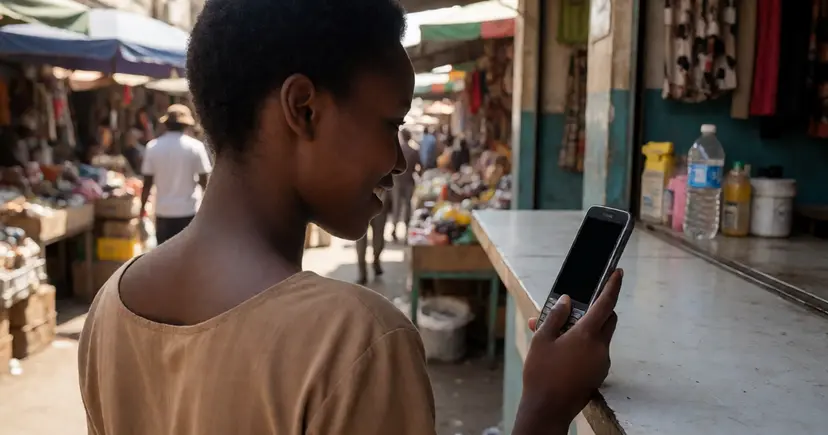

Digital Economy in Mozambique: New Ways to Earn
Freelancing, platforms, digital sales, and remote work: the 4 avenues of the digital economy in Mozambique, what the law says today, and what you can start now.

The digital economy in Mozambique has opened up 4 ways to earn money that do not involve a formal job position: online freelancing, platform work, digital sales, and remote work for abroad. The legal framework is still being written, but there are already concrete rules that apply to anyone entering today.
The licensing of platform operators (Decree 59/2023) is underway, and the protection of platform workers is one of the points of the Labor Law revision currently under debate in the government.
This guide covers the 4 avenues, what the law says about each, and what you can do now to get started. The cheapest entry route is digital sales; the one that pays best, in the long term, is specialized freelancing.
The 30-second answer
- 4 avenues: online freelancing (services for clients, even abroad), platform work (transport and delivery apps), digital sales (own store on WhatsApp/Instagram), remote work for overseas companies.
- The registration and licensing of platforms (Decree 59/2023) is for those operating the platform — not for those selling through it.
- The protection of platform workers is under revision in the Labor Law; today, the relationship is service provider.
- METIX (Bank of Mozambique, 2026) made interbank transfers instant and free for individuals — the payment infrastructure of the digital economy.
1. Online freelancing: selling what you know
Freelancing is the path for anyone with a sellable skill: programming, design, writing, translation, marketing, social media management. The client can be Mozambican or based abroad.
When the client is from abroad, payment in hard currency is the differentiator: the same skill is paid at international market rates, not the local floor.
What changes compared to a job: there is no wage floor, no vacation, no insurance. The relationship is that of a service provider — a commercial contract, not an employment contract.
The law does not define a freelancer's minimum income. It does define, however, that income is subject to tax. The exact regime (individual, legal entity, tax status) should be settled with an accountant before starting — not after.
Where requests come from: most Mozambicans do their first job through referrals. A social media presence and an online portfolio are what make referrals come in.

2. Platform work: the app is the employer
Being an app driver or courier is the most visible form of digital work in Mozambique. The relationship is what the Labor Law revision is trying to frame: the driver is not an app employee — they are a service provider.
What that means in practice: there is no minimum wage defined by law for this relationship; income is per task.
The most cited example is Yango. The company advertises, on its driver recruitment page, earnings of up to 21,000 MT per month — this is a marketing figure, not a guarantee.
What a driver earns depends on hours worked, location, demand, and commissions. No one can guarantee an amount. The verifiable fact: the regime is service provider, and the discussion on the labor framework is ongoing in government.

3. Digital sales: the store that fits on a phone
It is the cheapest entry route in Mozambique: selling what you produce or resell via WhatsApp and Instagram, with delivery on foot, by motorbike, or through an app. Payments go through M-Pesa, e-Mola, or Multicaixa — a major part of the digital economy happens on mobile phones.
What the law says about sellers: the platform regulation (Decree 59/2023) targets digital platform operators and electronic service providers — the companies that run the platform.
Someone reselling clothes in a WhatsApp group is not a platform operator; they are a seller. The tax framework for a seller is a different matter: when volume grows, registration is no longer optional.

4. Remote work for abroad: the client is overseas
It is the same freelancing, with one detail that changes the relationship: the client is in another jurisdiction, payment comes from abroad, and the work is done from Mozambique.
As a rule, there is no known restriction preventing a resident from providing services to foreign companies. It does, however, impose the duty to declare income — the tax obligation is that of a resident in Mozambique, regardless of where the money comes from.
The exact framework (how to receive, how to declare) is what is settled with an accountant. The general rule: income counts, regardless of borders.
What the law says — and what it doesn't say yet
The 2026 framework has 3 pieces, in different stages.
1. The platform regulation. Decree No. 59/2023, of October 27, approved the rules for registration and licensing of intermediate electronic service providers and digital platform operators, under INTIC. Status in 2026: licensing is underway and the regulator has mandated compliance for operators, subject to penalties.
It is the rule on the platform side — not on the side of the person offering services through it.
2. The focused revision of the Labor Law. In August 2026, INTIC and the Ministry of Labor met to discuss the social protection of digital platform workers: identifying those responsible for platforms, qualifying the relationship, and algorithm transparency in task and revenue distribution.
The current state is under debate. Concrete rules do not yet exist.
3. Labor Law 13/2023. This is what applies today to everything not covered by another law. If your relationship involves subordination, set hours, and personal service delivery, the presumption is an employment relationship — and worker rights apply.
It is the line separating service provider from employee, and it is what the ongoing revision is attempting to clarify. The Law 13/2023 guide explains the changes.
What to do today, by avenue
- Freelancing: an online portfolio, 3 reference projects, social media presence. The first client almost always comes from a referral — your presence is what makes referrals happen.
- Platforms: check what the app charges in commission and what it promises — and do not plan based on marketing numbers. Real earnings depend on hours and location.
- Digital sales: start with what you have: your own production, reselling stock you control. M-Pesa is the payment method your customer already knows.
- Remote work for abroad: skills are sold in dollars; declaration is local. An accountant before the first payment, not after.
In all avenues, applying to open positions is the starting point. Mozambican companies post digital positions on Inademy — profiles are free and alerts arrive by email and WhatsApp.
The first job CV and the Guide cover letter are the foundational documents.
And if the path is formal employment, your sector's minimum wage is in the 19-tier salary table.
The 3 risks to avoid before starting
1. Joining a platform without reading the commission structure. Advertised earnings are gross; commission and suspension penalties reduce net income. Check both numbers before investing in equipment.
2. Buying equipment on credit to start. The motorbike, laptop, stock — each is an investment carrying your own risk. The digital route does not eliminate risk; it changes where it sits.
3. Ignoring taxes. The tax regime applies to freelancers and digital sellers; volume defines when it stops being optional. An accountant costs less than a later tax audit/regularization.
Frequently Asked Questions
1. I sell on WhatsApp — do I need any license?
Platform registration (Decree 59/2023) targets operators, not sellers. The issue is tax-related: when volume grows, registration with AT is no longer optional. Check the applicable tax regime for your volume.
2. Is Yango's "up to 21,000 MT/month" guaranteed?
No. It is the figure the company advertises to recruit drivers. Real earnings depend on hours, location, demand, and commission. Plan with a conservative figure, not the advertisement.
3. Can I work remotely for an overseas company and receive in US dollars?
Yes. As a rule, there is no known restriction preventing a resident from providing services to foreign companies. What exists is the duty to declare income in Mozambique — set up the structure with an accountant.
4. Does platform work have a minimum wage?
It does not have a legally defined minimum wage today: the relationship is service provider. This is precisely the point the Labor Law revision is trying to address — algorithm transparency and social protection.
5. Does METIX change anything for those working online?
It changes the infrastructure: interbank transfers in seconds, free for individuals, available 24/7. For those receiving payments from clients, it means less friction with money.
6. Is selling on WhatsApp illegal?
No: platform registration applies to operators, not sellers. The key issue is the tax setup as sales volume grows — selling itself is not illegal.
Sources
Decree No. 59/2023, of October 27 (registration and licensing regulations, INTIC); Bank of Mozambique (March 16, 2026) — METIX; MZNews (August 27, 2026) — focused revision of the Labor Law; Yango MZ (driver page, 2026) — announcement of up to 21,000 MT/month; Labor Law 13/2023.
Official source: Law No. 13/2023 (Labour Law) is available as a PDF on the website of Mozambique's Supreme Court (Tribunal Supremo): official text (PDF).