

NGO Careers in Mozambique: How to Get Started
Mozambique NGO careers are among the most job-advertising: who is hiring now, the English CV, and the skills projects ask for.
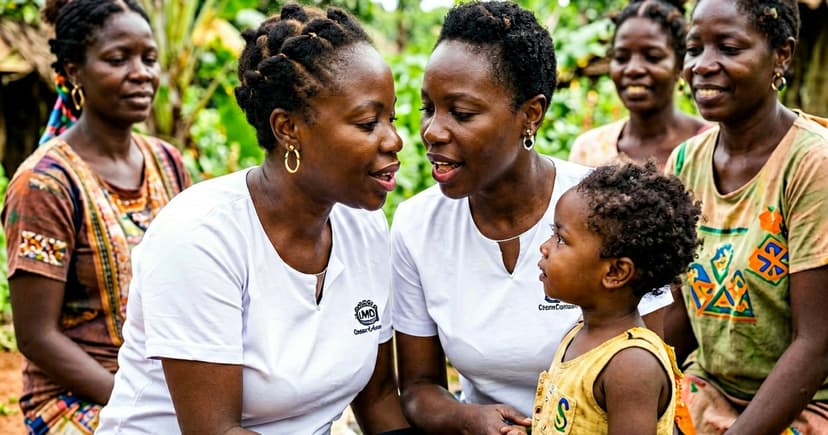
A career with NGOs in Mozambique is one of the country's most active job markets: humanitarian and development organizations regularly post vacancies nationwide, ranging from field positions to administrative and project management roles.
This article explains how hiring works in these organizations, who is recruiting, what skills they look for, and how to prepare a standout application. It is another chapter of the Inademy Guide.
The short answer
- Constant job openings: it is one of the sectors posting the most jobs in the country, in provinces with limited formal opportunities.
- Who hires: international emergency and development NGOs, United Nations agencies, and local community-based organizations.
- Common entry points: field roles, drivers, administrative staff, and local technicians; career progression relies on performance and training.
- English carries heavy weight: international organizations operate in English, and an English CV is often the first filter.
- Project-based contracts: many positions last from one to three years, renewable subject to funding.
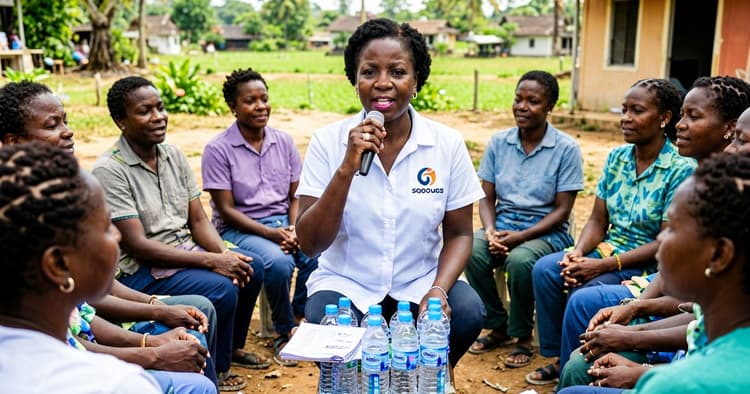
How hiring works in NGOs
The humanitarian sector has its own structure, different from private companies. International organisations, such as emergency and development agencies, follow formal processes: public vacancy announcements, application forms, written screening, panel interviews, and often a practical test. The process can take weeks or months.
Local organisations hire more directly and quickly, but offer lower salaries. United Nations agencies pay better and follow strict international rules, with recruitment processes that require patience and flawless documentation. Each type of organisation has its own pace, and it is worth applying to all three types in parallel.
An important detail: many field positions prefer candidates from the province itself. Those who know the local language, the routes, and the reality of the communities have a real advantage, especially in community mobilisation and awareness roles.
Who is recruiting now
In August 2026, job listings were active from organisations such as GiveDirectly, Save the Children (positions in Pemba and Chiúre, including drivers), Doctors Without Borders, Crede Mozambique (Inhambane), and CESC (Niassa). The humanitarian funding cycle renews annually, opening new positions in health, nutrition, education, water, and livelihoods.
To see what is open now, check the Inademy NGO jobs page. Vacancies are listed with the province and clear requirements, saving you time during screening.
What roles exist and what they require
- Community mobilizer: direct contact with communities; requires local knowledge, clear communication, and willingness to travel.
- Project driver: heavy vehicle license, experience on rural roads, and attention to safety procedures.
- Local administrative and finance officer: organization, record-keeping, and reporting; courses in accounting or administration carry significant weight.
- Field technician: health, nutrition, water, or agriculture; mid-level qualification in the area and experience working with communities.
- Project officer and management positions: bachelor's degree, fluent English, and written reporting; these are the highest-paying positions in the sector.
Organizations highly value two things that carry less weight in other sectors: integrity, because you work with resources intended for vulnerable populations, and well-written reports, because every project is accountable to the donor. If you write well in Portuguese and English, state it on your CV with concrete examples.

The English CV: the first filter
In international organisations, an English CV is the standard, and a poorly translated document eliminates an application before any content is read. Our article on how to write an English CV provides the structure and ready-to-adapt examples.
For field positions, some job postings accept Portuguese, but submitting in English never hurts. For management and technical specialist roles, English is a requirement, and interviews are often conducted in English. The article on English interviews prepares you for typical questions in this sector.
How to prepare your application
Tailor your CV to each vacancy: NGOs use strict requirements, and screening looks for direct matches between the job ad and your document. If the ad asks for "community mobilization experience", that exact phrase should appear in your CV if true, along with years and locations. The guide on how to write a CV shows the core structure.
In panel interviews, expect scenario questions: "what would you do if a beneficiary asked for money?", "how would you act if the project manager was absent and an emergency arose?". Answer with real examples from your experience, and practice with the most common interview questions.
Also prepare references: the sector always contacts former employers and previous supervisors. Notify your references before listing them, and keep contact details up to date.
Mistakes that turn candidates away
The first mistake is sending the same generic CV to ten organizations. Each organization looks for its own specific requirements, and the screening process notices the alignment. The second is ignoring local grassroots organizations, which are the real gateway for many people: starting at a small organization builds the experience that international ones later require.
The third mistake is expecting management positions right from the start. NGOs frequently promote from within, because proven trust and integrity matter more than a CV. Entering as a driver or administrative worker on a project is a realistic pathway to technical roles two or three years later.
How Inademy helps you
Create a free profile, save your CV in PDF format in both languages, and apply for NGO vacancies published across the country. Email and WhatsApp alerts notify you when new openings appear in your chosen provinces, without needing to chase scattered ads.
Start by viewing open vacancies and filter by NGO and your province. If you have never had formal employment, the article on first-job CVs shows how to highlight community work and volunteering.
Read also
- In-Demand Careers in Mozambique 2026: by Sector and Salary
- Jobs for Recent Graduates in Mozambique (Without Experience)
- Career in Accounting and Auditing in Mozambique
- Career in Banking and Financial Services in Mozambique
Where these numbers come from
- Recruiting organizations: active public job postings in August 2026, collected from Inademy's weekly market research (GiveDirectly, Save the Children, Médicos Sem Fronteiras, Crede Mozambique, CESC).
- Sector weight: searches for "NGO jobs" are among the most searched employment topics by Mozambicans on Google, according to our 2026 search trend analysis.
Project-based sector and career progression
The NGO sector in Mozambique revolves around projects and donors. Demand rises and falls with funding cycles, and this is what drives career progression.
There are job openings in project management, monitoring and evaluation, communications, logistics, human resources, and finance. Each field has its own specialization path.
Starting as a project assistant leads to officer, then coordinator, and eventually project director, with pay increasing alongside responsibility.
Salaries in NGOs combine a base pay with travel and accommodation allowances when projects are located in rural areas or require field presence.
Training in development management, monitoring, and data tools increases a professional's market value.
Document every project, donor, and outcome. In a project-driven sector, this record is what supports career advancement and salary negotiations.
Projects funded by international donors pay above the local average and offer faster advancement for those with field experience.
Beyond NGOs, opportunities exist in international organizations, specialized consultancies, and development firms. The sector goes beyond traditional institutions.
In practice, success combines specialization, references, and mobility. Those willing to relocate to rural areas and master the project lifecycle experience the fastest career growth in the sector.
Keep records of every project phase, from indicators to final results. This documentation backs your career progression and salary negotiations, even when moving between different donors.
Frequently asked questions
Do I need a degree to work for an NGO?
Not for field and support positions, which make up the majority of vacancies. Drivers, administrative staff, mobilisers, and mid-level technicians join without a degree. Officer and management positions require a degree and English, but the sector promotes those who start at entry level and demonstrate quality.
Do NGOs pay well?
At international organisations, salaries tend to be above the national average, with additional benefits. At local organisations, pay is lower, often close to the service sector minimum wage. This difference justifies applying to both types in parallel.
Are contracts unstable?
Many contracts follow project cycles of one to three years, renewable based on funding. This is not arbitrary instability; it is the structure of the sector. Formal contracts with INSS social security deducted are the norm at reputable organisations, and the article on contract types explains your rights.
Does volunteering help you get in?
Yes, it is a proven pathway. Documented volunteer work, with real responsibility and references, counts as experience in future applications. Avoid volunteer positions that promise pay "after a period": that is not volunteering, it is unpaid work.
Do I need computer skills?
For administrative and technical positions, yes, at the level of Word, Excel, and email. Excel deserves special attention: project reports and monitoring sheets depend on it. A short course documented on your CV already satisfies this requirement during screening.
In summary, what to do today
- Prepare your CV in Portuguese and the English version, following our guides.
- List your skills that NGOs look for: local languages, IT skills, community experience.
- Check open NGO vacancies in your province and apply with a CV tailored to each job ad.
- Activate email and WhatsApp alerts for new vacancies.
- Prepare two or three references and let them know they may be contacted.