

Careers in Agriculture and Agro-Processing in Mozambique
Mozambique agriculture careers go beyond the farm: agro-processing, who hires, the 7,072 MT minimum, and how to enter with a strong CV.
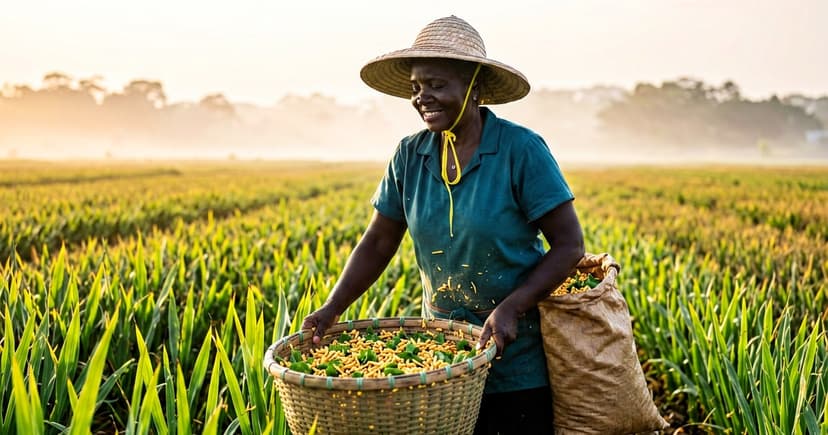
A career in agriculture in Mozambique goes far beyond subsistence farming. The country exports cashews, tobacco, cotton, and tropical fruit, and agro-processing—turning harvests into packaged products—is where formal jobs with stable salaries are found.
This article shows who is hiring, what each role pays, which qualifications open doors, and how to prepare your application. It is part of the Inademy Guide, the practical guide for job seekers in Mozambique.
The short answer
- Sector minimum wage: 7.072,00 MT per month in agriculture since April 2026, with a 5,74 percent adjustment, according to the AIM agency.
- Two different worlds: family farming pays per task without a contract; agricultural companies and processing units pay monthly, with legal deductions.
- Who hires: cashew, tobacco, and cotton companies, large-scale plantations, horticulture projects, and processing units.
- Technical roles in demand: agronomists, quality technicians, and factory operators are sought after and pay above the minimum.
- Entry without formal training: harvest campaigns and field roles; with good performance, internal advancement is common in many companies.
The Two Worlds of Agricultural Employment
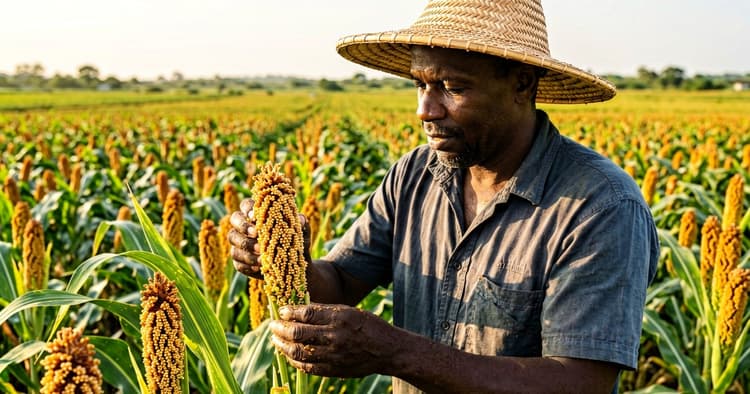
Mozambican agriculture has two realities that rarely overlap. On one side is family farming: the family plot, where people work to feed themselves and sell the surplus, with no contracts, fixed wages, or social security (INSS) contributions. This is the reality for most rural households in the country.
On the other side is formal agricultural employment: companies producing for export and industrial processing units. Here, there are written contracts, monthly salaries, deducted INSS contributions, and paid leave. For those seeking stability, job hunting happens in this second world, which is where this article focuses.
Between the two lies an interesting bridge: agro-processing. A cashew processing plant in Nampula or a fruit packaging facility in Manica hire hundreds of workers during the harvest season, and some of these workers stay on for permanent roles in quality control, maintenance, and administration.
How much you earn
The minimum wage for agriculture, livestock, hunting, and forestry stands at 7.072,00 MT per month as of 1 April 2026, an adjustment of 5,74 percent, according to the table published by the AIM agency and confirmed by the WageIndicator portal. It is one of the lowest minimum wages in the country, reflecting a sector with low formalization.
Technical and supervisory roles pay more: a newly graduated agronomist, a factory shift supervisor, or a quality technician at an export company earn above the minimum, with amounts varying by company and province. To compare with other sectors, see the table of 19 minimum wages by sector.
And remember: for permanent roles, always ask for the gross salary, as deductions change the final amount. The article on net vs gross salary shows the calculation with real examples.
Who is hiring and where the jobs are
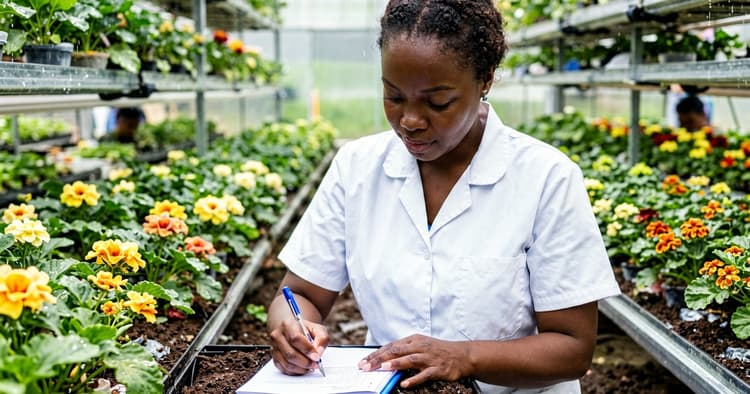
Cashew processing companies hire seasonally, between October and February, mostly in Nampula, Zambezia, and Cabo Delgado. Tobacco and cotton companies recruit field technicians and supervisors in the northern and central provinces. Large-scale plantations—banana, oil palm, soy—hire workers and technicians year-round.
The agriculture and livestock category had 76 open vacancies on a Mozambican job portal in August 2026. On Inademy, you can see what is open right now on the agriculture jobs page, filtering by province to find offers close to home.
Do not overlook NGOs and agricultural development projects: they hire agricultural extension workers, farmer trainers, and project managers, often offering better salaries than the private agricultural sector. The article on careers in NGOs explains how to enter this sector.
Roles and Requirements
- Field worker: harvesting and sorting; no formal qualification required, paid by output or daily rate, and the most common entry point.
- Factory operator: processing lines; requires basic education, shift discipline, and attention to hygiene.
- Agricultural extension officer: vocational agronomy diploma; trains and supports farmers in NGO projects and contract farming companies.
- Quality technician: export standards control; requires technical training and strict record-keeping.
- Agronomist: bachelor's degree; manages production, plans crops, and leads field teams. It is the highest-paying role in the production sector.
A practical tip: those who start in seasonal field work and demonstrate punctuality and care with the produce are frequently called for permanent roles. Agricultural companies prefer promoting people they already know, because turnover in the field is high and replacing staff costs time.
How to prepare your application
For field roles, your CV can be simple, but it must include: name, contact information, province, concrete agricultural experience, crops you know, and machinery you can operate. The guide on how to make a CV in Mozambique adapts to any role, including less formal ones.
For technical roles, add training, projects you have worked on, and measurable results. "I supported 200 cashew farmers within a 40-kilometer radius" communicates much more than "experience in rural extension." Numbers make your experience credible.
In the interview, expect practical questions about planting seasons, common pests, and field team management. Practicing with the most common job interview questions helps you answer calmly with your own examples.
Mistakes that turn candidates away
The first mistake is applying for technical roles without the required qualifications, wasting the recruiter's attention. The second is not stating exactly where you live: rural companies want local people or those willing to relocate there, and distance is a real hiring filter.
The third mistake is underestimating seasonal work. Many people turn down seasonal jobs because they are "temporary", but seasonal campaigns are a proven entry route to formal employment in agriculture, and almost half of permanent hires in processing companies start this way.
How Inademy helps you
You create a free profile once, attach your PDF CV, and apply for open agricultural positions across the country. Email and WhatsApp alerts arrive when new openings appear in your provinces of interest, so you do not need to check groups every day.
To get started, explore open vacancies and filter by agriculture and your province. If this is your first formal application, the article on first-job CVs addresses the lack of experience.
Read also
- High-Demand Careers in Mozambique 2026: by Sector and Salary
- Jobs for Recent Graduates in Mozambique (Without Experience)
- Career in Accounting and Auditing in Mozambique
Where these numbers come from
- Minimum wage of 7.072,00 MT: official table in force since 1 April 2026, published by the AIM agency on 28 April 2026 and confirmed by WageIndicator.
- 76 vacancies in the category: count on a Mozambican job portal on 24 August 2026, in our weekly market survey.
Qualifications and career progression in agro-processing
In agriculture, a professional's value increases with specialization. Those who master a specific area, such as irrigation, seed breeding, or pest control, are worth more than generalists.
Agro-processing, the stage following field production, adds even more value. Processing raw materials—into mango pulp or copra oil, for example—pays better than raw production.
Technical training in agronomy, animal science, or the food industry opens doors to managerial roles and larger projects, often tied to exports.
Those who start as field workers or field technicians can, within a few years, coordinate teams, manage inventory, and negotiate with clients, increasing their earnings at every step.
Larger-scale projects, in mango, coffee, or cotton plantations, offer the advantage of steady career progression and, in many cases, accommodation or transportation for teams.
In the end, the rule is the same as in other fields: document your experience, gain certification, and combine management skills with technical know-how. That combination is what separates an operator from a manager.
Frequently asked questions
Do I need an agronomy degree to work in agriculture?
Not for field and seasonal positions, which make up the majority of jobs. For extension workers, quality technicians, or agronomists, yes, and mid-level technical training already opens many doors. A full agronomy degree is worth it for those who want production management.
Does seasonal work come with a contract?
It must. Even if temporary, a short-term contract is required by law, complete with the corresponding deductions and rights. If a company refuses a written contract for seasonal work, check the article on types of employment contracts to know your rights.
Which provinces have the most agricultural jobs?
Nampula and Zambezia lead due to cashews and diversified commercial agriculture. Cabo Delgado has vacancies linked to projects and NGOs. The center of the country has tobacco, cotton, and timber. Maputo has less field work, but many roles in agri-food administration and logistics.
Can I transition from my own farm to formal employment?
Yes. Practical experience—knowing seasons, pests, and land management—is valued, especially if you know how to communicate it on your CV and in the interview. Many extension workers and foremen started right there, on the family farm.
Do agricultural companies pay the minimum wage?
Formalized companies do, because labor inspections reach them. Exporting companies and international projects pay above the minimum to attract and retain talent. If an employer offers less than the legal minimum, you know they are violating the law, and the article on workers' rights shows you what to do.
In short, what to do today
- Decide your entry point: campaign, factory operation, or technical role.
- Prepare a simple, concrete CV with crops, machinery, and areas you know.
- Check open agriculture jobs in your province and apply.
- Activate email and WhatsApp alerts so you don't miss the start of the campaigns.