

Hospitality and Tourism Careers in Mozambique
Mozambique hospitality and tourism had the biggest 2026 wage rise: a 10,600 MT minimum, top employers, and the steps to enter the field.
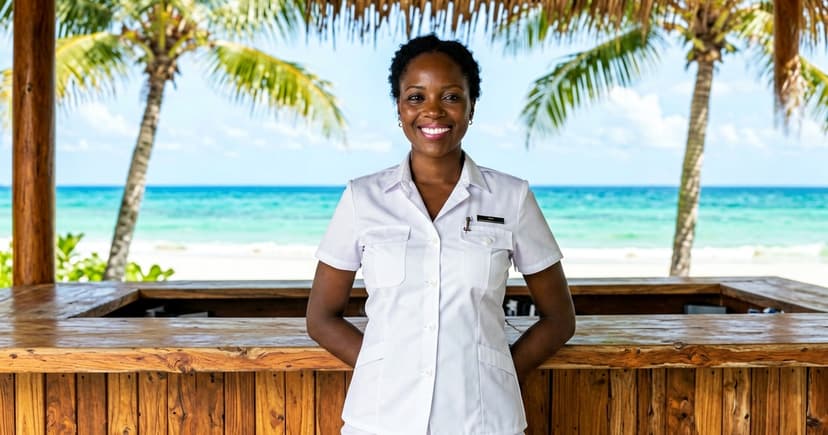
Hospitality and tourism careers in Mozambique had the highest salary increase of all sectors in 2026: the minimum rose 9,28 percent, to 10.600,00 MT per month. The sector is betting on tourism recovery and is hiring, from receptionists to cooks, across the coastline and in the cities.
This article shows who is hiring, what roles exist, how to enter without a degree, and what is realistic to expect. It is part of the Inademy Guide, created for job seekers in Mozambique.
The short answer
- Sector minimum wage: 10,600.00 MT per month since April 2026, the largest increase of the year, according to the AIM agency.
- Entry without formal training: cleaning, kitchen prep, and kitchen assistance; with good performance, internal promotion is fast and common.
- Who is hiring: major hotel chains and resorts, safari and beach lodges, restaurants, airlines, and adventure operators.
- English opens doors: not required to enter, but it separates those who stay in the same position from those who advance.
- Pay attention to contracts: the sector has a history of informal employment; a written contract and INSS social security are mandatory and non-negotiable.

How the sector works in Mozambique
Mozambican tourism thrives on the sea, nature, and business. In the south, Maputo and Costa do Sol focus on city hotels and weekend tourism. Inhambane, Vilanculos, and Bazaruto rely on resorts and diving. Sofala and Nampula feature business and project hotels. Cabo Delgado is recovering as investment returns to the northern region.
In August 2026, the Minor Hotels chain was recruiting in Bazaruto, and restaurants, lodges, and guesthouses all along the coast regularly post vacancies. Demand for qualified staff is constant because turnover in the sector is high: those who stand out advance quickly, creating openings at all levels.
To see what is open now, use Inademy's job list by sector and filter by your province; hospitality and catering jobs appear mostly in Maputo, Inhambane, and Nampula.
How much you earn
The minimum wage for the "hospitality, tourism and similar" sector rose from 9.700,00 MT to 10.600,00 MT in April 2026, a 9,28 percent increase—the highest among the 19 sectors in the official table published by the AIM agency and confirmed by WageIndicator. This was in response to the inflation experienced by the sector in recent years.
In practice, earnings vary depending on the establishment's category and the job role. A bilingual receptionist at an international resort and a cleaner at a guesthouse do not earn the same income. When you receive a job offer, calculate your net salary using the article on gross and net salary, and compare it with the full sector-by-sector table.
At remote lodges and resorts, always ask what is included: accommodation, meals, and transport completely change the real value of your pay. An offer of 12.000 MT with housing and meals included is worth more than 14.000 MT with no benefits if you live far away.

Roles and what each requires
- Housekeeping and pantry assistant: entry without prior training; requires attention to detail, punctuality, and discretion, as you enter guests' private spaces.
- Kitchen helper: entry without prior training; requires discipline, hygiene, and physical stamina. Fast learners move up to assistant cook and then to cook.
- Receptionist: neat appearance, impeccable Portuguese and, in top establishments, fluent English; managing bookings and payments.
- Cook: a trade learned on the job or at school; international restaurants and resorts pay better and value specialities.
- Tour guide: deep knowledge of the area, languages, and, in national parks, specific training and a licence.
A note on progression: in hospitality, your reputation travels fast among colleagues and guests. A punctual and friendly assistant is remembered when a receptionist vacancy opens up. Also keep your written references from every job, because hotels request them frequently.
How to prepare your application
A CV in hospitality should convey two things: presentation and experience working with people. A photo is not mandatory, but the document's presentation matters: clean, error-free, with clear roles and establishments. The guide on how to write a CV in Mozambique applies to this sector.
If you don't have formal experience, highlight what you do have: customer service in a family business, languages you speak, and schedule availability including weekends and holidays, which is the reality of the sector. The article on CVs without experience helps turn that background into a credible application.
In the interview, personal presentation is evaluated from the very first minute. Dress like someone who already works in the position you are applying for: simple, clean, neat. Common interview questions include difficult customer situations; prepare an example from your own experience.
Mistakes that turn candidates away
The first mistake is neglecting your presentation in the application and interview. The second is hiding your real availability: saying you only work day shifts, in a sector that operates on shifts and weekends, eliminates you during the screening process at many establishments.
The third mistake is accepting work without a contract and without INSS "because that's just how the sector is". That is not how it should be, and anyone who accepts loses their rights to vacation, allowances, and social security. The article on employment contracts explains what is mandatory.
How Inademy helps you
Create a free profile, attach your CV, and apply for job vacancies at hotels, lodges, and restaurants across the country. Receive new job alerts by email and WhatsApp based on your preferences, so you don't have to rely on informal groups where dubious ads circulate.
To get started, view open vacancies and filter by your province. Before your interview, learn what to do on the day with the article on what to bring to the interview and follow-up.
Also read
- In-Demand Careers in Mozambique 2026: by Sector and Salary
- Jobs for Recent Graduates in Mozambique (No Experience)
- Careers in NGOs in Mozambique: How to Get In
- Careers in Accounting and Auditing in Mozambique
Where these numbers come from
- Minimum wage of 10.600,00 MT and 9,28% increase: official scale in force since 1 April 2026, released by the AIM agency on 28 April 2026 and confirmed by WageIndicator.
- Minor Hotels hiring: public job postings active in August 2026, collected in our weekly market research.
Seasons, Career Progression, and Tourism Niches
Hospitality and tourism in Mozambique follow seasonal patterns. High season peaks during winter, from June to September, when international visitors escape the European cold and locals take their holidays.
During this window, hotels, restaurants, and operators bring on extra staff, often through seasonal contracts. Those with strong references secure these extra roles, which pay better than during the low season.
In the low season, professionals are valued for versatility: a cook who serves guests, a receptionist who helps with maintenance, or a housekeeper who assists clients. Those who master multiple roles advance faster.
Formal progression follows clear tiers. A porter can become a head porter; a waiter, a maître d'; a cook, a head chef; and a tour guide, an operations director.
Each step up usually requires specific training. Studying hotel management, obtaining food safety certifications, or learning a foreign language opens doors to the next level.
Nature tourism, concentrated in the Niassa Delta and Namibe lagoons, creates openings in boat and lodge operations, often offering room and board.
Growing niches like corporate events and wellness pay more than traditional lodging. Professionals who combine English skills, management abilities, and specialization command the highest market value.
In practice, the rule is simple: stay active during peak season, protect your reputation, and keep learning. The industry rewards consistency.
Anyone looking to enter without experience can start with paid internships at small hotels and guesthouses, which accept beginners and train them on the job. This is the most common entry point.
Here, references matter more than diplomas. A cook with good reviews and discipline is worth more than one with only a certificate. Protecting your name, learning languages, and accepting seasonal work pays off.
Frequently asked questions
Do I need a hospitality course to get in?
Not for entry-level roles, which make up the majority: housekeeping, kitchen utility, and kitchen assistance start without a course. A course helps speed up career progression and applications to international chains, but the sector promotes heavily based on merit demonstrated on the job.
Is it true that English is mandatory?
It is mandatory in resorts and international hotels for guest-facing roles. Everywhere else, it is a major advantage rather than a requirement. Even basic customer service English is worth highlighting on your CV, because not all applicants have it.
Are the hours difficult?
The sector operates on shifts, including weekends and holidays, because that is exactly when guests arrive. It is not a fault of the employer, it is the nature of the business. Many establishments organize rotating shifts with compensatory days off.
Is it worth working in a remote lodge?
It is worth it if the package includes accommodation and meals, because you can save almost your entire salary. Always ask what is included and about transport for days off. Many people build up initial savings this way, in two or three years of work.
How do I prove experience without a previous contract?
Use references: names and contact details of former employers or clients who can vouch for your work, even if informal. A call from a recruiter to a former boss is worth more than three paragraphs on a CV. The article on what to put on a CV explains how to list references.
In summary, what to do today
- Choose a realistic entry-level role and prepare a CV tailored to the sector.
- Confirm your availability and state it on your CV.
- Check job vacancies in your province and apply for compatible ones.
- Turn on job alerts via email and WhatsApp.
- Before accepting, confirm a written contract and INSS registration.