

Transport and Logistics Careers in Mozambique
A career in transport and logistics in Mozambique: who hires, how much you earn, real job roles, and the first steps to enter the field.

A career in transport and logistics in Mozambique is one of the country's busiest sectors: goods enter and leave through the ports of Maputo, Beira, and Nacala every day, and every shipment needs someone to move, manage, and deliver it. If you are looking to enter this field, there are job openings for various education levels.
This article shows who is hiring, what roles exist, realistic salary expectations, and concrete first steps to prepare your application. It is part of the Inademy Guide, where you will find practical answers for every stage of your job search.
The short answer
- High and constant demand: the transport and logistics category was one of the top ten with the most vacancies on a Mozambican job portal in August 2026, with 70 listings open on a single day.
- Who hires: port and logistics operators, road freight companies, major brand distributors, courier services, and projects in the interior.
- Salary: depends heavily on the company's sector and the role; a professional driver has specific rates, which we detail in another article in this guide.
- Easiest entry point: warehouse operations and deliveries; technical and management roles require specific training and proven experience.
- What matters in your application: the correct driving license for the role, punctuality, clean documentation, and flexible availability.
Where the jobs are and who is hiring
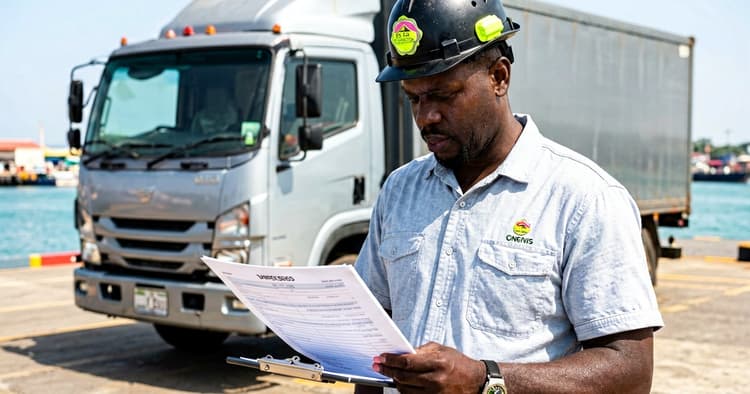
The sector moves far more than just trucks. In ports, there are forklift operators, cargo checkers, contract administrators, and planning technicians. On the roads, there are heavy vehicle drivers, escorts, and fleet managers. In cities, delivery companies and distribution warehouses supplying commerce are growing.
In August 2026, companies recruiting in this field included DP World (port contract management) and AB InBev (distribution and warehouse supervision in Marracuene and Maputo). Major beverage distributors, transport insurance companies, and agricultural projects in the interior also open vacancies regularly, because the supply chain never stops.
To see what is open now, check Inademy's logistics jobs page, with filters by province and sector. Job listings change from week to week, so it is worth checking back frequently.
Earnings in this field
One detail changes the maths: the minimum wage varies depending on the sector the company falls under, and transport does not have a single set figure. A freight haulage company, a vehicle cleaning business, and a port operator may follow different wage scales. The official minimum wage table, with complete historical data, helps you understand where each company fits.
For professional driving roles, we prepared a dedicated article covering driver salaries in Mozambique in 2026, featuring verified figures by role and province. If your goal is management or planning, salaries are higher, but require relevant training and verifiable prior experience.
Don't forget deductions: the advertised gross salary is never what lands in your bank account. We explain the calculation in our article on net versus gross salary, with INSS and IRPS deductions shown step by step.
Most common roles and what they require
- Heavy vehicle driver: valid driving license in the required category, proven experience, basic mechanical knowledge, and responsibility for cargo.
- Warehouse operator: reasonable physical strength, organization, reading delivery notes, and, for higher-paying roles, a forklift license.
- Cargo checker: attention to detail, counting and logging goods, and using basic management systems.
- Fleet manager: vehicle oversight, fuel consumption, maintenance, and team management; requires prior experience and strong organizational skills.
- Customs broker: specialized training and licensing; it is one of the highest-paying roles because it connects the port to client companies.
A detail that many applicants overlook: driving license documentation must be valid on the day of application, not "after being hired." Companies check this right at the screening stage, and an expired license eliminates the candidate before they even reach the interview.

How to enter the field
The most direct path starts with your CV. The same document will not work for a driver and a fleet manager: they are different roles with different requirements. Our complete guide on how to write a CV in Mozambique shows the right structure for each type of role.
If your experience is in driving, highlight your license categories, years of experience, routes you know, and any accident-free record. If you come from a warehouse background, mention volumes handled, systems used, and inventories you have completed. Concrete numbers matter more than vague adjectives.
Many job openings in this field do not even ask for a formatted CV: they ask for a WhatsApp message with basic details. How to apply via WhatsApp without looking careless, including a message template, can be found in the article on WhatsApp applications in Mozambique.
Mistakes that cost applications
The first mistake is sending the same message to ten different companies without tailoring it. Recipients notice right away. The second is not responding quickly: in this field, positions close in days, sometimes hours, because hiring is urgent when there aren't enough people to deliver cargo.
The third mistake is hiding your location. Saying just "Maputo" when the job is in Tete saves nobody time. State your city and your willingness to relocate from the very first message. Honesty saves both sides unnecessary interviews.
How Inademy helps you
At Inademy, you create a free profile once and use it for all applications, with your PDF CV attached. New logistics job openings can arrive via email and WhatsApp, depending on the alerts you activate, so you do not have to rely on groups that mix fake listings with real jobs.
To get started, explore open vacancies in Mozambique and filter by transport and logistics. After applying, tracking your progress is simple and transparent, without unnecessary bureaucracy.
Read also
- In-Demand Careers in Mozambique 2026: by Sector and Salary
- Jobs for Recent Graduates in Mozambique (No Experience)
- NGO Careers in Mozambique: How to Get Started
- Careers in Accounting and Auditing in Mozambique
Where these numbers come from
- 70 vacancies in this category: count taken from a Mozambican job portal on August 24, 2026, during our weekly market research.
- Hiring companies (DP World, AB InBev): active public job postings in August 2026, collected during the same research.
- Minimum wages by sector: table approved by the Government and published in April 2026, confirmed by the AIM agency and the WageIndicator portal.
Routes, seasonality, and progression in transport and logistics
Transport and logistics in Mozambique revolve around key routes. The main ones connect Nampula, the port city, to the interior, passing through Beira, Tete, and export rail lines.
There are also convoys of agricultural products and minerals, alongside logistics support for infrastructure projects, keeping demand in the sector consistently high.
The sector is seasonal. During the flood months, roads in the South become impassable and transport volumes shift; during harvest time, demand surges.
Those starting out as drivers or truckers can, with experience and proper licensing, become fleet supervisors, logistics planners, or warehouse managers.
Licenses and certifications are decisive. The difference between a standard driver and a specialist in hazardous materials or project cargo is reflected in their pay.
In logistics, IT skills are especially valuable, ranging from inventory management systems to satellite tracking of trucks. This is what separates an operator from a planner.
Warehouses and terminals in Beira and Nampula also create roles in management, security, and port administration, offering steady career progression and, in many cases, on-site accommodation for teams.
In the end, proof comes down to reliability: meeting deadlines, taking care of the vehicle, and keeping a clean driving record. This is what operators reward with the best routes.
Frequently asked questions
Do I need a course to work in logistics?
For operational and driver roles, no. What is required is a valid driver's license, documents in order, and availability. For technical roles, such as customs broker or fleet manager, training and experience count for a lot, and job postings state this in their requirements.
Is it a dangerous field to work in?
It has its own risks: roads in poor condition, long hours, and valuable cargo. Reputable companies provide safety training and equipment. Be cautious of job listings that promise a lot without explaining working conditions, especially for escort and cash-in-transit roles.
Can I move from an operational role to management?
Yes, and it happens often. Someone who knows the warehouse from the inside understands the real issues, which is worth gold in a management role. Supplement this with management or logistics training and demonstrate measurable results, such as a reduction in inventory errors.
Do logistics jobs require English?
In roles linked to ports and international companies, basic English helps and is sometimes required. For local deliveries and domestic warehouses, it is rarely a requirement. If you speak English, mention it on your CV, even at a basic level.
How long does it take to get called back?
It depends on the company and the urgency. Operational roles may call back within a few days. Technical and management roles take weeks, involving several stages. If more than two weeks have passed without a response, follow the tips in the article about unanswered job applications.
In short, what to do today
- Confirm that your driver's license and documents are valid and combined into a single PDF.
- Prepare your CV with the right structure for the role you want, using the CV guide as a base.
- Check currently open logistics vacancies and apply to those matching your real profile.
- Turn on email and WhatsApp alerts so you don't miss new vacancies in your province.