

Energy, Oil & Gas Careers in Mozambique (LNG)
Mozambique energy careers: wage floors from 12,775 MT, the $1.1 billion Rovuma LNG pre-investment, and entry pathways into the sector.
The short answer
- Why energy: careers in energy, oil, and gas grow through multi-year employment projects — and the sector minimum wage is 12.775,00 MT at major companies.
- Gas momentum: ExxonMobil awarded 1,1 billion dollars in pre-investment contracts for Rovuma LNG in 2026, with the final investment decision expected this year.
- Most in-demand roles: engineering, plant operations, maintenance, HSE, and logistics — along with the extensive network of subcontractors supporting them.
- Entry path: technical training in electrical, mechanical, and safety fields; HSE certifications are essential screening criteria.
- Beyond gas: electricity, solar energy, and distribution hire across all provinces year-round.
Building a career in Mozambique's energy sector means entering one of the few industries experiencing visible growth. Natural gas from the Rovuma Basin has turned the country into a global LNG hub, electricity is expanding to new districts, and solar energy is advancing where the grid does not yet reach.
For those building a career here, the impact is direct: more projects, more roles, more contracts. This guide from Inademy Guide shows how much is paid and how to get started.
How much you earn in the energy sector
In 2026, the minimum wage in the electricity, gas, and water production and distribution sector is 12.775,00 MT per month at large companies — the fourth highest floor in the country — and 10.366,00 MT at small and medium-sized firms. The full table for all 19 sectors is in the 2026 minimum wage by sector guide.
Above the minimum wage, the market varies by role and employer type. Engineering and operations roles at major utility companies and gas projects rank highest; technical installation and maintenance roles in distribution sit closer to the minimum wage, with room for rapid advancement through experience and certifications.
For final calculations, the net vs gross salary guide shows the effect of statutory deductions on each offer.
Natural gas: what changes for careers
The Coral Sul project, offshore in the Rovuma Basin, has been in production since 2022 — the country already exports LNG. The next step is Rovuma LNG, also in Area 4: in 2026, ExxonMobil, on behalf of the partners, awarded 1.1 billion dollars in pre-investment contracts for critical equipment, and the final investment decision is expected this year.
What this means for careers: construction and operation phases that open vacancies for years, from engineers to operators, through to logistics and services.
There is a rule of practical realism: hiring peaks in mega-projects come in phases, and many jobs are managed through subcontractors. Those who track the phases — and activate job alerts — enter in the first wave; those who wait for the official announcement arrive late.
Roles the sector hires
- Engineering: electrical, mechanical, chemical, and petroleum — at utilities, gas projects, and consultancies;
- Operations and maintenance: plant and facility operators, electrical and mechanical maintenance technicians;
- HSE — workplace safety: in energy, safety certifications are not a bonus, they are a requirement;
- Lines and networks: distribution network technicians, a trade in constant demand across all provinces;
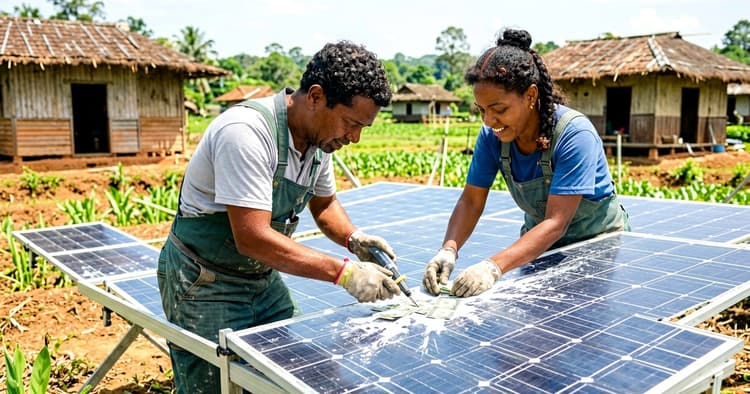
- Off-grid solar: off-grid solar companies hire technicians and technical sales reps for districts without grid access — a growing subsector;
- Logistics and administration: energy projects employ the same chain of services as mining — transport, warehousing, catering, administration.
How to enter the sector
- Technical training: mid-level courses in electricity and mechanics are the fastest entry route; engineering opens top-level roles.
- HSE certifications: industrial safety, working at heights, confined spaces. Without them, an application won't even reach the interview stage.
- Start with distribution and subcontractors: distribution utilities and service companies hire continuously and serve as a training ground for larger projects.
- Tailor your CV for the sector: highlight certifications, shift work, and remote locations. The template is in the guide to CVs for technical professions.
- Follow project phases: investment announcements precede hiring waves. The guide on how to get a job in Mozambique helps organize your search.
Shifts and contracts: what to check
Work at energy facilities follows general legal limits — an average of 48 hours per week, with specific rules for shift work and night work, which carries a statutory 25% premium.
The guide on working hours: 48h and overtime explains the exact limits. Since many contracts in the sector are fixed-term per project, check the renewal and compensation rules first in the guide on employment contracts: types and rules.
Energy on the map of in-demand careers
Energy connects to all productive sectors — mining, agriculture, industry — and, alongside banking and technology, is one of the sectors with base pay above the national average. The complete overview is in the guide to in-demand careers in Mozambique in 2026.
How Inademy helps you
At Inademy, job openings in energy, electrical, and industrial maintenance are listed with clear requirements and application instructions. Creating a profile is free, accepts your PDF CV, and new job alerts arrive by email and WhatsApp — in a phased industry, getting notified on the right day is a real advantage.
Read also
- Jobs for recent graduates in Mozambique (no experience)
- Careers in NGOs in Mozambique: how to get started
- Careers in Accounting and Auditing in Mozambique
Where these numbers come from
- Minimum wage 2026: pay scale in force since 1 April 2026, published in the Boletim da República and reported by AIM on 28 April 2026 (electricity, gas and water: large companies 12,775.00 MT; small and medium 10,366.00 MT).
- AIM (24 August 2026) and RTP: ExxonMobil awarded USD 1.1 billion in pre-investment contracts for critical equipment for Rovuma LNG.
- Observador (11 August 2026): final investment decision for Rovuma LNG expected in 2026.
- Law 13/2023: 48-hour workweek and 25% surcharge for night work (art. 125).
Project-based work and salary progression
Mozambique's energy, oil, and gas sector revolves around major projects—from offshore drilling and platforms to Moatize gas and liquefied natural gas projects.
These projects create roles for technicians, engineers, and managers, with salaries at the top of the market. The highest pay is concentrated in the operational phase, under rotation regimes that include accommodation and transport.
Those starting in support, maintenance, or HSE roles can, through experience and certification, move into leadership and project management positions.
Certifications are the entry pass. In HSE, safety and environmental credentials count most; in operations, platform- and gas-specific certifications are required.
Location matters. Roles in Moatize and along the Indian Ocean coast include accommodation and transport arrangements, boosting total earnings above the base salary.
Outside major projects, the broader energy market—including renewables and grid management—is growing with solar power and electrification.
For those entering without experience, support and maintenance roles are the doorway. That is where on-the-job learning happens, whether on platforms or work sites.
In the end, this is a project-based sector. Progression is not linear like in an office; it rises and falls with each project phase. Those working during key phases earn more.
Those starting in support, field site, or maintenance roles learn on the job and advance pay grades through certification. This is the most common path into the sector without direct platform experience.
Document every project, certification, and completed shift. In project work, this record underpins career progression and medium-term earnings.
Frequently Asked Questions
What is the minimum wage in the energy sector?
In 2026, 12.775,00 MT per month in large electricity, gas, and water companies, and 10.366,00 MT in small and medium-sized ones. It is the fourth highest floor among the 19 sectors.
Does the natural gas sector hire Mozambicans without experience?
In the construction and operation phases, most technical vacancies require mid-level training, safety certifications, and subcontractors — prior experience in mega-projects is not required, but HSE certification is mandatory.
What training provides the best access to the sector?
Electricity and mechanics (mid-level) for entry-level technical roles; electrical, mechanical, and chemical engineering for top-level roles. Safety certifications accompany any of these paths.
Is it true that Rovuma LNG will generate many jobs?
The award of 1,1 billion dollars in pre-investment contracts in 2026 and the final investment decision expected this year point to new construction and operation phases — each phase opens direct vacancies and a wide network of subcontractors. Specific employment figures depend on the phase.
Does solar energy also hire?
Yes — off-grid solar companies hire installation technicians and commercial roles for ungrid-connected districts, with growing demand across several provinces. It is a less competitive entry point than mega-projects.
Does shift work pay more?
Night work carries a legal premium of 25%. Shifts in continuous-operation facilities follow shift rotation rules, with workdays up to 12 hours and minimum rest periods guaranteed by law.
In short, what to do today
- Choose your target role and confirm the HSE certifications it requires.
- Obtain or renew safety certifications — they are knockout criteria.
- Build your technical CV, highlighting shifts, certifications, and remote locations.
- Create your profile on Inademy and activate job alerts for energy and industrial maintenance.
- Track major project phases: apply during the wave, not after it.
Official source: Law No. 13/2023 (Labour Law) is available as a PDF on the website of Mozambique's Supreme Court (Tribunal Supremo): official text (PDF).