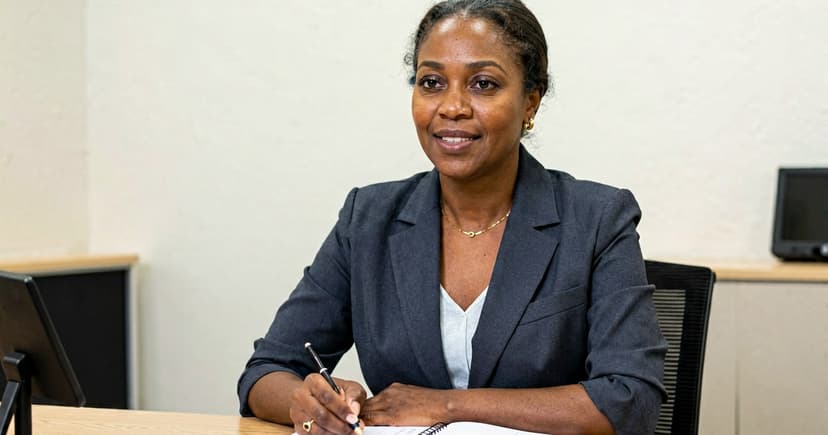

How to dress for a job interview in Mozambique
How to dress for a job interview in Mozambique: dress code by sector, budget-friendly tips, climate, hygiene, and common mistakes to avoid.
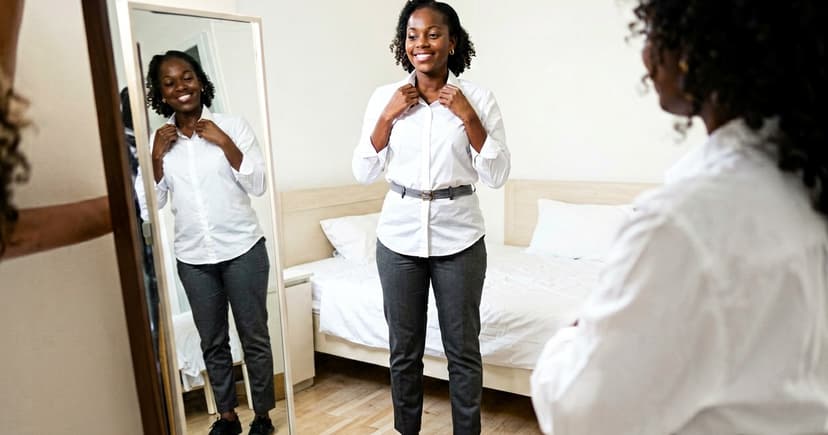
Don't know how to dress for a job interview in Mozambique? The rule fits into one sentence: dress one step above the daily routine of the role you will perform, with clean, ironed, and understated clothes. Nobody expects an expensive suit; almost everyone notices dirty shoes and a wrinkled shirt.
In the Inademy Guide, we explain each stage of securing a job, from your first CV to your first day of work. Clothing is the most visible part of this phase: it speaks before you do and sets the tone of the conversation. Good advice in Mozambique is practical and economical, not a list of imported brands.
The short answer
It all comes down to the basic rule: being neater than the daily routine of the role. A driver arrives in a clean shirt and dress trousers; a bank analyst arrives in a dress shirt and closed shoes. The level changes according to the sector; the principle never changes.
- One step above the daily routine. You don't dress for the role; you dress for the decision: neater than what the role requires day-to-day.
- A plain, clean, and ironed shirt is worth more than an old suit. Care matters more than the brand on the label.
- Clean, closed shoes. It's one of the first things interviewers look at, and it elevates a simple outfit.
- Sober colours and lightweight fabrics. Navy, grey, beige, and white withstand the heat and don't steal attention.
- Hygiene without shortcuts. Shaved or well-trimmed beard, short and clean nails, light perfume.
- When in doubt, ask. When the recruiter confirms the interview, it is perfectly fine to ask what the expected dress code is.
Banking, insurance, and administration: the formal code
A sector with demanding clientele and top-tier salaries, the dress code is formal. A light-coloured dress shirt, dress trousers, polished leather closed shoes. For customer-facing positions, a formal employer may expect a tie; carry it in your bag and decide upon arrival by observing how the reception staff is dressed.
In IT offices and more modern companies, business casual is acceptable: a well-maintained dark shirt or polo, dress trousers, clean and discrete sneakers. The line between acceptable casual and sloppiness lies in the ironed clothes and condition of the footwear, not the price of the clothing.
NGOs and development aid: neat without exaggeration
The project is field-based and the team dresses light. Neat smart casual is the right spot: a dress shirt, proper trousers, closed shoes. A full suit and tie might sound out of alignment with the organization's culture, but never choose overly informal attire just to look field-ready.
What is evaluated here is the presentation of someone preparing for responsibilities: ironed clothes, sober colours, no tears or flashy prints. Simple does not mean unkempt.
Industry, mining, and technical roles: simple and faultless
Clothing is simple, clean, and understated, always with closed shoes. A plain dark shirt or t-shirt, dress trousers or jeans without tears, clean sneakers or boots. Nobody expects a suit; they expect someone who looks ready to start the next day.
If the interview includes a visit to the construction site or factory, follow the safety instructions provided and confirm beforehand if you should bring anything. Arriving prepared for this part weighs just as much as your answers to the interviewer.
Store the outfit carefully the day before: crumpled on a chapa seat, it loses half its impact. A hanger or the back of a chair solves this on the night before.
Hospitality and tourism: your presentation is the product
Here your appearance is part of the service you are selling. Impeccable presentation and an easy smile: well-tailored clothes, clean colours, groomed hair, shiny shoes. The interviewer imagines you in front of the guest and decides with their eyes.
Competition remains strong in these sectors: hospitality and tourism recorded the highest minimum wage increase in 2026, up +9.28%, according to AIM — see the 2026 minimum wage table by sector. When a vacancy attracts many candidates, presentation details separate the finalists.
If the job requires English or another language with guests, prepare your vocabulary with the same advance notice as your clothes: reception dialogues are practiced out loud in front of the mirror.

Dressing well on a budget: from ironed shirt to elegant capulana
Nobody asks where you bought your clothes; everyone notices how they look. A clean, ironed plain shirt is worth more than a wrinkled old suit. Clean shoes matter more than the brand. Shaving or grooming your beard, short and clean nails, clothes that fit you: all of this costs little and weighs heavily on the first impression.
If money is tight, borrow from a family member and tailor what can be tailored. For your first job, the goal is a neutral combination you can repeat across all interviews of the week stress-free.
An elegant and well-cared-for capulana is acceptable and stylish, especially in creative and hospitality contexts when well put together. The rule is intentionality: a well-tailored single piece, coordinated colours, and the posture of someone who made a choice. Never untidiness.
Mozambique's climate: heat, rain, and fabrics
Choose lightweight fabrics, such as cotton or linen, which handle hot afternoons without showing sweat marks. Sober colours hide walking journeys better; and beware of overly thin fabrics, as some shirts become transparent under strong sunlight. The test is simple: put on the clothes near the window, in daylight, and check.
In rainy weather, plan ahead the night before: leave earlier, protect your clothes and shoes in a bag, and arrive 15 minutes early to freshen up peacefully in the building's bathroom. Arriving wet from the journey or adjusting yourself at the last minute is immediately noticeable and steals the first minutes of conversation.
Light perfume, always. Never strong.

Mistakes that give you away in the first minute
Wrinkled clothes, sandals or flip-flops, t-shirts with slogans, sunglasses resting on your head, and a ringing phone: five signs that count against you before the first question. Each one is avoidable the night before, for free, with ten minutes of attention.
Once errors are corrected, all that remains is to practice what to say. The most common interview questions follow patterns, and our guide shows how to answer using the context, action, and result method.
What about video interviews?
Dress fully, from head to toe, even if the camera only shows half. Wearing proper trousers or a skirt changes your posture and puts you in the right mindset; plus, it avoids the classic surprise of standing up with the camera catching everything.
Lightweight fabrics and solid colours perform better on camera: thin stripes cause image distortion and pure white blows out under window light. As for the rest—lighting, background, and connection—the complete job interview guide in Mozambique covers it step by step.
How Inademy helps you
On Inademy, you create your free profile in minutes, apply to job vacancies in Mozambique in a simple process, and send your CV in PDF hassle-free. New job alerts arrive by email and WhatsApp, leaving you with time for what matters: choosing your outfit and preparing your answers calmly.
Read also
- How to Write a CV in Mozambique in 2026 (complete guide)
- CV mistakes that get you disqualified (and what to put instead)
- How to Make a CV on Your Mobile Phone in Mozambique (step by step)
- Cover letter for job vacancies in Mozambique
- What to bring to a job interview and follow-up afterwards
- How to Screen Candidates and Conduct Good Interviews
Where these numbers come from
- AIM, 28/04/2026: 2026 minimum wage table, effective April 1, 2026; hospitality and tourism recorded the highest increase (+9.28%), driving competition for these positions.
- Recruitment practices observed by the Inademy Guide: dress codes by sector in Mozambique, from formal banking to NGO and development aid smart casual.
- Best practices for professional presentation, aligned with the complete interview guide published on Inademy.
Frequently asked questions
Do I need a suit and tie for every interview?
No. The dress code depends on the sector: banking and administration require full formal attire; NGOs and industry are satisfied with simple, faultless clothes. Dress for the company's context, not for your closet or someone else's budget.
Can I wear a capulana?
Yes, when it is an elegant and well-cared-for piece, especially in creative and hospitality contexts. Coordinated with sober colours and neat posture, it communicates identity and intention. What doesn't pass is untidiness: crumpled fabric or last-minute improvised combinations.
Are sandals okay on a hot day?
For the interview, no. Closed shoes are the standard across all sectors, even in 35-degree shade. Carry sandals in your bag and put them on afterwards if you wish.
What colours should I choose?
Sober colours: navy, grey, beige, white, and earth tones. Avoid large prints and fluorescent colours, which distract while you speak. A subtle touch of colour, a scarf, or a simple watch is enough.
What if the interview is on video?
Dress fully and choose solid colours, which perform better on camera. The dress code is the same as an in-person interview at that company; only the framing and lighting change.
New clothes or clothes I already wear?
Clothes you already wear, provided they are in good condition: you know the fit and feel more comfortable. Clothes bought the day before can pinch, itch, or shrink in the wash, and discomfort shows in your voice.
Does perfume help or hurt?
Light perfume helps; strong perfume hurts. A light spritz is enough, and deodorant does the main work. In a small closed room, heavy perfume arrives before your first word and fills the room.
In summary, what to do today
- Choose a neutral combination of a plain shirt and dress trousers, and have it clean and ironed for interview day.
- Confirm the job sector and adjust the level: formal in banking, smart casual at NGOs, simple and faultless in industry.
- Take care of closed shoes: clean, polished, and comfortable for walking to the door.
- Ensure good hygiene: haircut, shaved beard, short nails, and light perfume.
- Prepare a rain plan: leave early, protect your clothes, and arrive 15 minutes early to freshen up peacefully.